Research

Work is ongoing in four areas.

Host-directed therapy, pulmonary delivery, immune-cell biology, and formulation science. The programmes are the spine of the Infectious Disease Nanomedicine Research Group.

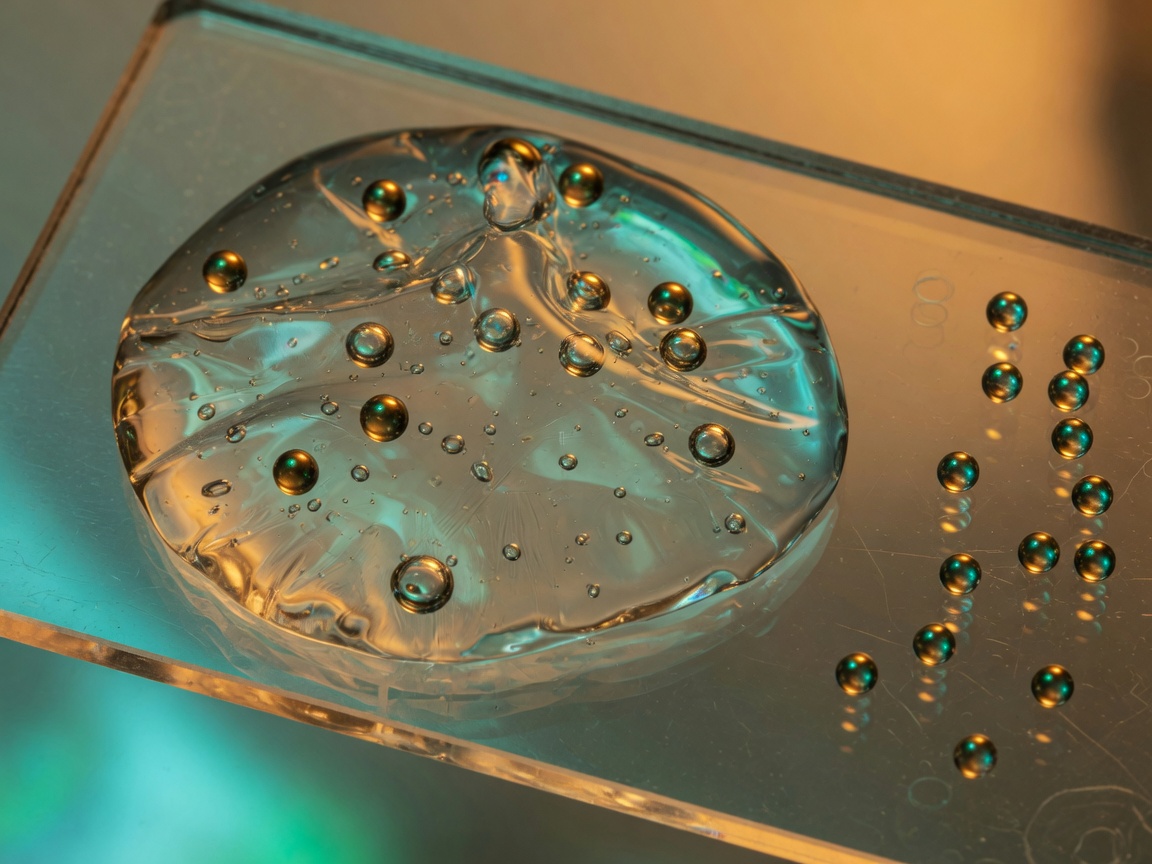
Curdlan-like gel and nanoparticles on glass.

01 — Immunotherapy

Nanoparticle immunotherapies

Development of nanoparticle-based immunotherapies for drug-sensitive and drug-resistant forms of tuberculosis. Particles functionalized with β-glucan (curdlan) can trigger autophagy in infected macrophages and reduce bacterial burden in the lung — without relying on antibiotics alone.
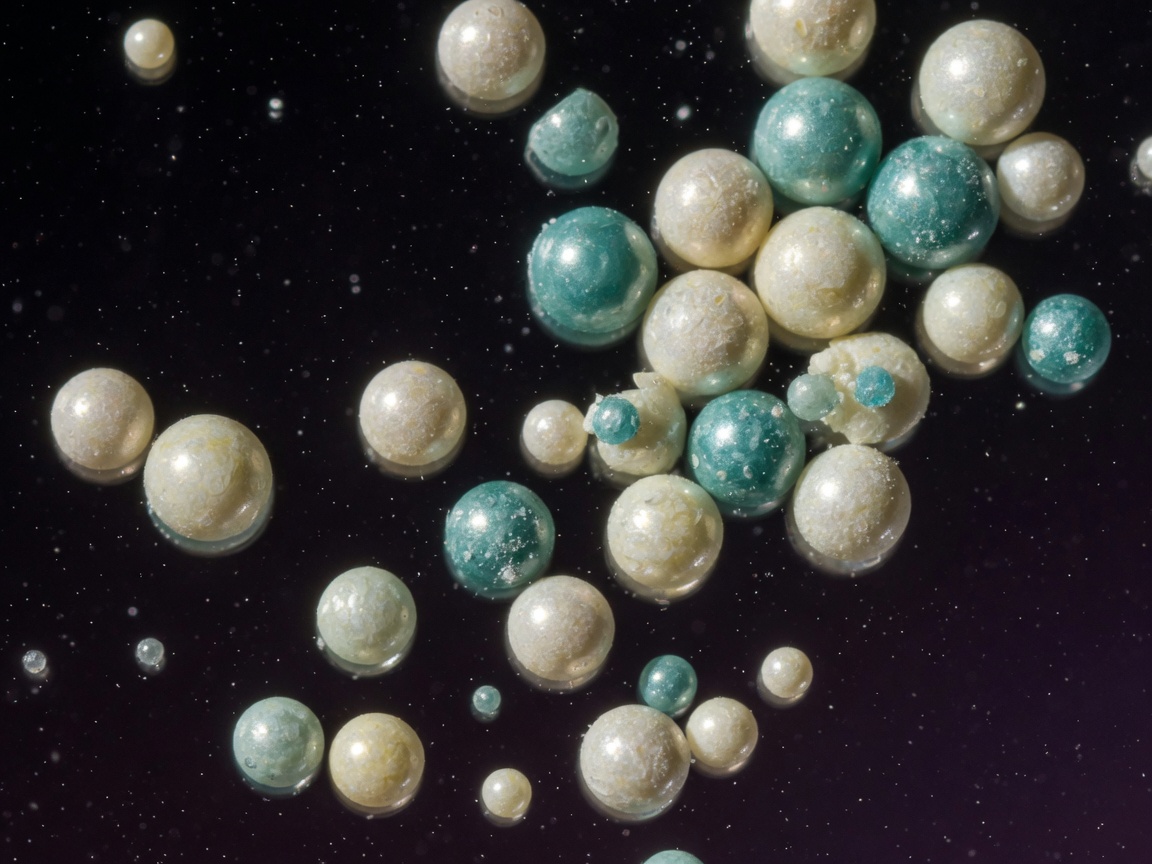
Inhalable particles in close-up.

02 — Pulmonary delivery

Inhalable particles

Development of inhalable particles for treatment of tuberculosis. Local delivery to the lung concentrates therapy where infection sits, and may reduce systemic toxicity of current regimens. Work in the group includes dry-powder systems and the clinical translation of inhalable nanomedicines.

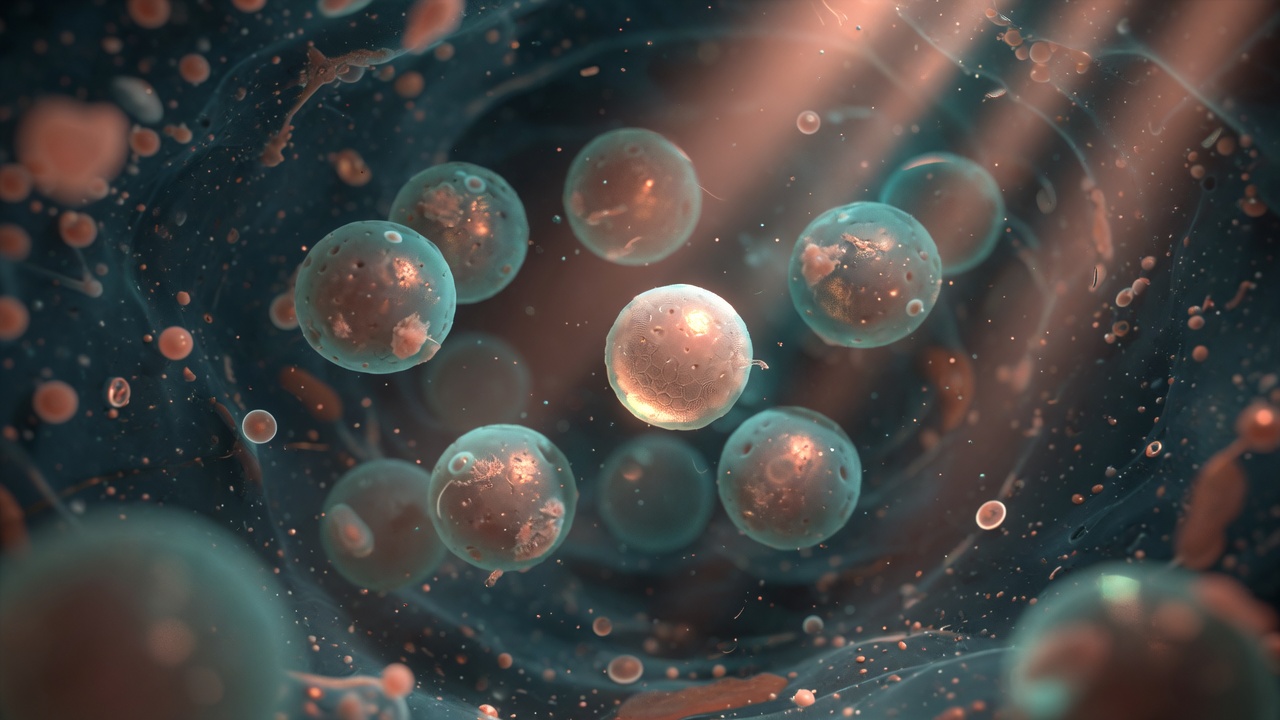
Nanoparticle visualization.

03 — Host biology

Nanoparticles and immune cells

Studies of the interaction of nanoparticles and immune cells in the context of infectious diseases — how size, shape, and surface chemistry change cytokine profiles, autophagy, and bacterial survival inside macrophages.

Lab bench still life.

04 — Formulation

Infectious-disease drug delivery

Synthesis and evaluation of nanoparticles for infectious-disease drug delivery: PLGA and PCL systems, lipid–polymer hybrids, metal–organic frameworks, and dual “kick and punch” formulations that combine immune activation with an antibiotic payload. The translational brief includes dosage forms, not only particles.